
Hydrogen Cyanide in Smoke Inhalation
For civilians and firefighters, understanding prehospital treatment for smoke inhalation can sometimes be the difference between life and death in light of the eminent exposure to Hydrogen Cyanide and Carbon Monoxide gases.

Accept the Presence of HCN
Hydrogen Cyanide is Present in Every Fire
- Smoke inhalation is a critical concern during fire incidents, leading to respiratory distress and systemic effects. Composed of toxic gases like carbon monoxide, hydrogen cyanide, and particulate matter, smoke can cause significant damage to the respiratory tract and other systems. It is important to note that hydrogen cyanide (HCN) is present in every fire, as it is produced when materials containing nitrogen, such as plastics, wool, and silk, burn. HCN is a highly toxic gas that interferes with cellular respiration, preventing cells from using oxygen effectively, which can lead to rapid organ failure and death.
- Unlike carbon monoxide, which primarily affects oxygen transport in the blood, HCN directly disrupts the body’s ability to utilize oxygen at the cellular level. This makes HCN poisoning particularly dangerous, as it can cause severe symptoms such as rapid breathing, confusion, seizures, and cardiovascular instability. Firefighters and first responders must be aware that HCN is a constant threat in smoke, and its presence necessitates the use of appropriate personal protective equipment (PPE) and monitoring for symptoms of cyanide poisoning during and after fire incidents.


Hydrogen Cyanide Indicators
Indications of Exposure
- Scene assessment for risk factors #sceneassessment
- Presence of soot around the nostrils or mouth
- History of entrapment in an enclosed space during a fire
- Symptoms reported by multiple victims
- Headache or altered mental status
- Dizziness or nausea
- Cyanosis or redness of the skin
HCN joins Carbon Monoxide (Toxic Twins)
Recognize and manage symptoms of cyanide toxicity, which can present with distinct signs that require prompt pre-hospital treatment. Understanding the similarities and differences between hydrogen cyanide (HCN) and carbon monoxide (CO) poisoning is crucial for effective management.
- Rapid breathing (tachypnea) and shortness of breath: Tachypnea is a common symptom of both HCN and CO poisoning due to the body’s attempt to compensate for oxygen deprivation. However, in HCN poisoning, the respiratory distress is more pronounced because cyanide interferes with cellular respiration, leading to a rapid buildup of lactic acid and metabolic acidosis. This can cause the patient to exhibit deep, labored breathing (Kussmaul respirations) as the body attempts to expel excess CO2.
- Mental confusion or altered consciousness: Both HCN and CO can cause altered mental status, but the mechanisms differ. CO binds to hemoglobin, reducing oxygen delivery to the brain, leading to confusion, dizziness, and eventually unconsciousness. HCN, on the other hand, disrupts the mitochondria’s ability to use oxygen, causing cellular hypoxia and resulting in confusion, agitation, or even coma. The onset of mental confusion in HCN poisoning can be more rapid and severe compared to CO poisoning.
- Seizures or convulsions: Seizures are more commonly associated with HCN poisoning than CO poisoning. Cyanide disrupts the electron transport chain in the mitochondria, leading to a lack of ATP production, which can trigger seizures. In contrast, seizures are rare in CO poisoning unless there is significant hypoxia or prolonged exposure.
- Cardiovascular instability, including hypotension: Both HCN and CO can cause cardiovascular instability, but the presentation differs. CO poisoning typically leads to myocardial depression and hypotension due to reduced oxygen delivery. HCN poisoning, however, can cause profound hypotension and cardiovascular collapse due to the rapid onset of metabolic acidosis and the direct toxic effects on the heart. Patients may exhibit bradycardia or tachycardia, and in severe cases, cardiac arrest can occur.
In summary, while both HCN and CO poisoning share symptoms such as rapid breathing, mental confusion, and cardiovascular instability, the underlying mechanisms and severity of these symptoms differ. Recognizing these distinctions is critical for pre-hospital treatment to ensure appropriate management and improve patient outcomes.

Prehospital Interventions
- Ensure Airway Patency
- Administer high-flow oxygen via non-rebreather mask immediately
- Prepare for advanced airway management if patient demonstrates severe respiratory compromise
- Consider intubation if airway obstruction is imminent
- Remove Patient from Exposure #safety
- Safely relocate the patient to a smoke-free environment
- Minimize further exposure to smoke and toxic gases
- Monitor Vital Signs and Symptoms #monitoring
- Continuously assess respiratory rate, heart rate, blood pressure, and oxygen saturation
- Observe for changes in consciousness or worsening of symptoms
Advanced Care Considerations
- Determine the need for rapid transport to a specialized care facility #transport
- Facilities with hyperbaric oxygen therapy capabilities may be necessary for severe cases
- Coordinate with receiving hospitals to prepare for specific interventions
- Provide detailed report on the extent of exposure and initial treatments administered
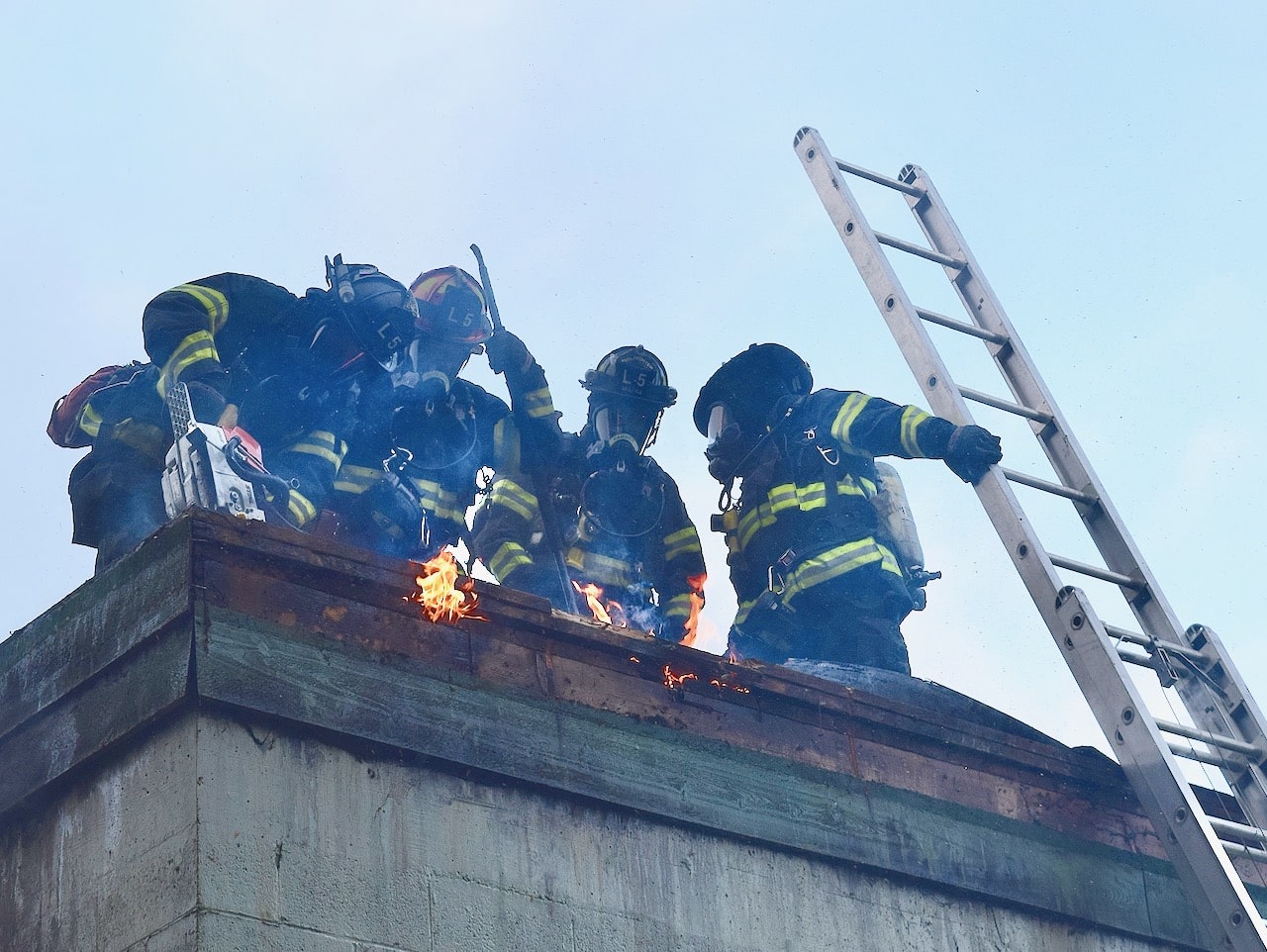

Firefighter Exposure Reporting
- All firefighters should immediately report exposures.
- With the demise of NFIRS beginning in February 2026, the directed substitute is First Due. However, this is a software that must be purchased for your department.
- If your department does not have a protocol for reporting exposures, then immediately report your exposure to your personal physician and seek counsel.
- Thoroughly document all findings and interventions
- Include time of exposure, duration and type of environment (e.g., enclosed space, Lithium Battery exposure / car fire, etc.)
- Create a well-documented report for your personnel file and ask that it be included with your personnel file.
Resources
- Cyanide Exposure, Smoke Inhalation and Pre-Hospital Treatment: Recognizing the Signs and Symptoms and Available Treatment Options by Daniel J. O’Brien, MD, FACEP, James Augustine, MC, FACEP, and Donald W Walsh, PhD, EMT-P
