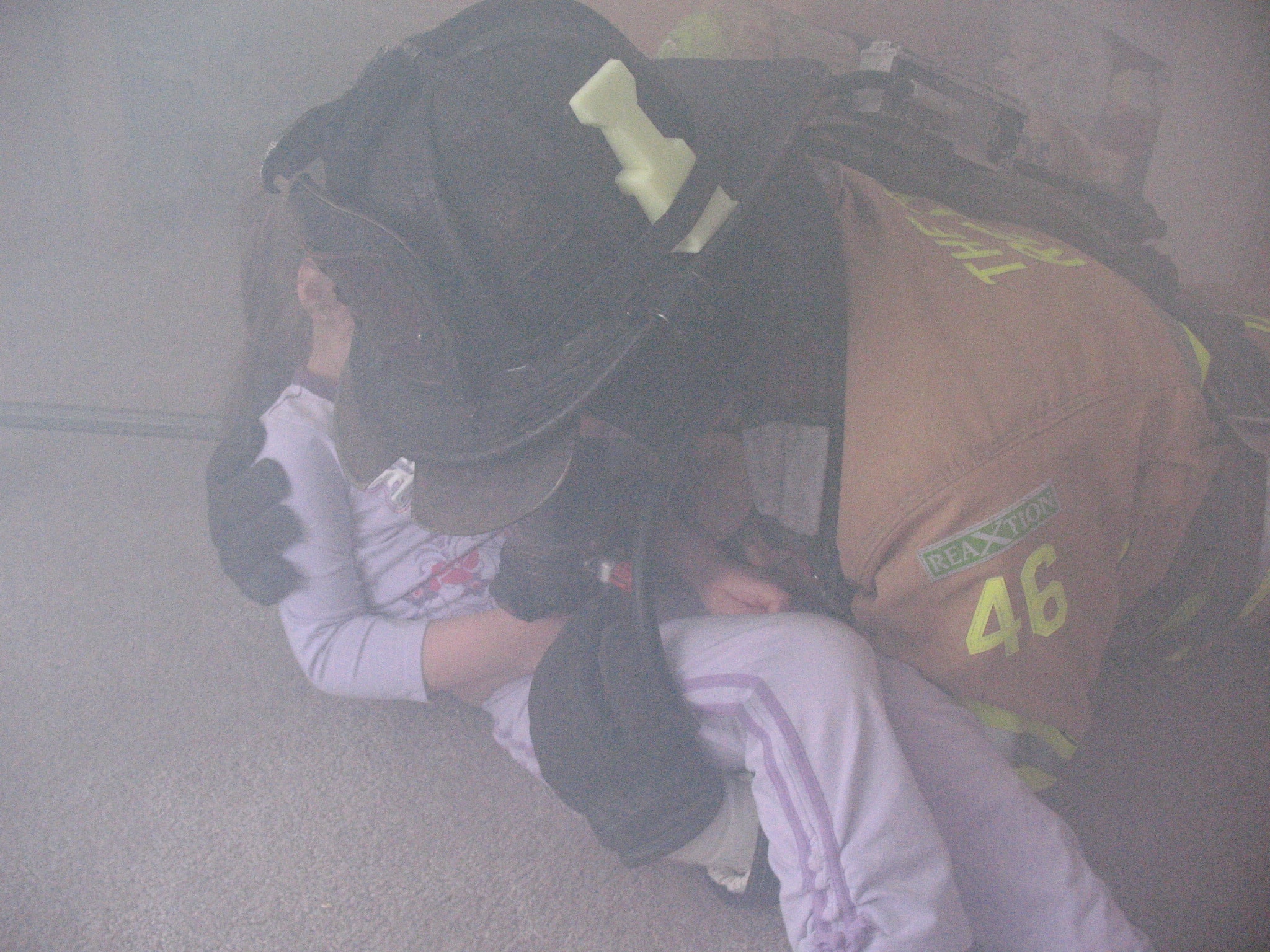
Firefighter's Guide to Smoke Inhalation
Everyday firefighters rescue victims from fire with smoke inhalation. Some of those victims will live, but unfortunately, many will not. While we have watched fire statistics decrease, fire deaths associated with smoke inhalation have not. In large part this is due to the changes in the toxicity of fire smoke. Years ago, a smoke inhalation victim was treated only for carbon monoxide poisoning. That was during the era before synthetics, rubbers and polymers began to infiltrate our homes and offices. Those materials, when burning, introduced a new toxic gas to fire smoke: hydrogen cyanide.

Smoke Inhalation
Fire Smoke & Firefighters
Smoke inhalation is the leading cause of fire-related deaths, responsible for approximately 50-80% of fatalities in fire incidents, according to the National Fire Protection Association (NFPA). In the United States, an estimated 3,000 to 5,000 deaths occur each year due to smoke inhalation, underscoring the critical need for immediate and effective treatment. Victims exposed to smoke often suffer from asphyxiation caused by toxic gases like carbon monoxide and hydrogen cyanide, which can lead to irreversible damage in minutes.
For firefighters, the risks are even more profound. Repeated exposure to small amounts of smoke over a long career, especially without the protection of a self-contained breathing apparatus (SCBA), can have cumulative and life-ending consequences.
Toxic gases and particulates in smoke can build up in the body over time, leading to chronic respiratory diseases, cardiovascular issues, and even fatal cancers. Firefighters must recognize that every exposure matters—no amount of smoke is safe.
Proper use of SCBA and adherence to safety protocols are not just precautions; they are lifelines that protect against the silent, cumulative dangers of smoke inhalation.

Fire Smoke Composition
- Smoke is an aerosol composed of solid and liquid particles from incomplete combustion, accompanied by various gases. This complex mixture makes the smoke highly hazardous, as it contains a combination of particulate matter and toxic gases. This can severely impact the respiratory system and overall health. The solid and liquid particles can penetrate deep into the lungs, while the gases can be absorbed into the bloodstream, causing systemic effects.
- Key toxicants include carbon monoxide (CO) and hydrogen cyanide (HCN), both posing life-threatening risks. Carbon monoxide binds to hemoglobin in the blood, reducing its ability to carry oxygen, leading to hypoxia and asphyxiation. Hydrogen cyanide interferes with cellular respiration, preventing cells from using oxygen effectively, which can result in rapid organ failure. Together, these gases create a deadly synergy that significantly increases fire death risk.
- Synthetic materials like plastics, nylons, and foams release these toxins when burned, exacerbating smoke toxicity. Modern buildings and furnishings are often made from synthetic materials that, when burned, produce higher levels of toxic gases and particulates compared to natural materials. This shift in material composition has contributed to an increase in the lethality of smoke, making it a critical factor in fire-related fatalities.
Impact of Carbon Monoxide and Cyanide
- Carbon monoxide (CO) binds with hemoglobin in the blood to form carboxyhemoglobin, which significantly reduces the blood’s ability to transport oxygen to vital organs. This process effectively starves the body of oxygen, even if the airways are clear and oxygen is available. The result is rapid hypoxia, where cells and tissues begin to fail, leading to unconsciousness and death within minutes if exposure is severe.
- Cyanide disrupts cellular respiration by inhibiting the enzyme cytochrome c oxidase, which is essential for the cells’ ability to use oxygen. This means that even when oxygen is present in the body, the cells cannot utilize it to produce energy. This cellular suffocation leads to a rapid shutdown of critical functions, particularly in the heart and brain, causing death in a matter of moments.
- The combined presence of CO and cyanide in smoke creates a deadly synergy. CO reduces the oxygen available to the body, while cyanide prevents the cells from using the limited oxygen that remains.
- This dual attack on the body’s ability to sustain life makes smoke inhalation one of the most lethal aspects of fire incidents, capable of killing instantly if exposure is high.


Studies Highlighting Smoke Toxicity
- Paris Fire Brigade Studies: Research conducted by the Paris Fire Brigade revealed alarming levels of cyanide in the blood of smoke inhalation victims, often exceeding the lethal threshold. These studies highlighted the significant role of hydrogen cyanide in the lethality of smoke, particularly in enclosed fire environments where the concentration of toxic gases is higher. Additionally, studies demonstrated the effectiveness of hydroxocobalamin (Cyanokit) in treating cyanide toxicity. Hydroxocobalamin works by binding to cyanide and converting it into a less toxic form that can be safely excreted by the kidneys, thereby improving survival rates in affected individuals.
- Dallas County Studies: Findings from Dallas County reinforced the Paris Fire Brigade’s observations, emphasizing the prevalence of cyanide in smoke inhalation cases. These studies underscore the critical need for effective pre-hospital treatment protocols that address both carbon monoxide and cyanide toxicity. The research from Dallas County also highlighted the importance of early recognition and intervention, as the combined presence of CO and cyanide significantly increases the risk of death. The studies advocate for the integration of treatments like hydroxocobalamin into emergency medical services to enhance survival outcomes for smoke inhalation victims.

Treatment and Management
Traditional Supportive Care
- Includes high-flow oxygen, monitoring vital signs, IV access, and rapid transport to medical facilities.
- Often insufficient alone, as it does not address underlying cyanide toxicity.
Use of Hydroxocobalamin (Cyanokit)
- Approved by the FDA as an effective antidote for cyanide poisoning in smoke inhalation cases.
- Converts cyanide into cyanocobalamin (Vitamin B12), which is safely excreted in urine.
- Can be administered without prior confirmation of cyanide presence, making it ideal for emergency scenarios.
Recommendations for Firefighters and Emergency Responders
- Be aware of the symptoms of cyanide poisoning: hypotension, altered consciousness, respiratory distress, and soot around the nose or mouth.
- Administer Cyanokit when cyanide exposure is suspected, especially in enclosed space fires.
- Stay updated on research and advancements in smoke inhalation treatment.

Historical Context and Current Challenges
Fire service history underscores the persistent challenge of smoke-related fatalities, which have been a significant cause of death for both civilians and firefighters throughout the centuries.
In the early days of firefighting, smoke inhalation was often an unavoidable consequence of battling fires in poorly ventilated structures. The lack of protective equipment and understanding of smoke’s toxic nature meant that many firefighters and victims succumbed to smoke’s deadly effects long before the flames could reach them.
Over time, as fire science advanced, the recognition of smoke as a lethal agent. However, modern smoke’s complexity and toxicity have escalated the risks.
Modern firefighting strategies must evolve to incorporate new understandings of smoke toxicity and treatment. Today’s fires are fueled by synthetic materials that burn hotter and produce more toxic smoke than ever before.
Firefighters, if not equipped with self-contained breathing apparatuses (SCBA), are at a significant risk of exposure to life-threatening gases like carbon monoxide and hydrogen cyanide.
Communities and fire departments must develop greater respect for the dangers of modern smoke, recognizing that even small exposures over time can have cumulative and life-ending consequences for firefighters.
Enhanced training, better protective gear, and improved treatment protocols are essential to mitigating the risks and saving lives for civilians and firefighters.
Resources
References and Further Reading
- Baud FJ, Barriot P, Toffis V, et al. Elevated blood cyanide concentrations in victims of smoke inhalation. New England Journal of Medicine 325: 1761-1776, 1991.
- Silverman SH, Purdue GF, Hunt JL, et al. Cyanide toxicity in burned patients. Journal of Trauma 28(2): 171-176, 1988.
- Norris JC, et al. Synergistic lethality induced by the combination of carbon monoxide and cyanide. Toxicology 40: 121-129, 1986.
- Fortin J-L. Use of Hydroxocobalamin in Fire Victims by The Brigade De Sapeurs Pompiers De Paris from 1998-2003
- Where There’s Fire There’s Smoke, by Rob Schnepp
