SCBA – The Only Air Safety Device
SCBA Prevents Fire Smoke Exposure
The article, “Synthetics in the Modern Fire Environment: The Importance of Using Your SCBA,” by Frank Leeb, provides a comprehensive analysis of the evolving fire environment and its implications for firefighter safety, particularly in relation to cancer risks. It highlights the significant changes in fire dynamics due to the widespread use of synthetic materials, such as plastics, in modern construction and household items. These materials, while cost-effective, are highly energy-dense and release toxic chemicals when they burn, posing severe health risks to firefighters.
You shouldn’t rely on “no smoke showing” to avoid putting on or removing your SCBA. As a result of the combustion process, invisible gases, such as hydrogen cyanide and carbon monoxide (Toxic Twins) are present on every fireground and exposure can cause immediate or long-term injury, illness and death. Departments should investigate hydrogen cyanide poisoning in fire smoke exposure for all firefighters.
It is common for many departments to have Standard Operating Procedures (SOP) for gas detection (at least for HCN and CO) before calling an all clear to remove the SCBAs.


Decomposition and Combustion By-Products
Leeb’s article explains the chemical composition and behavior of plastics during decomposition and combustion. It emphasizes the “unzipping” process, where plastics release hazardous chemicals like hydrogen chloride, dioxins, furans, benzene, and fire retardants even before visible flames appear. These chemicals, along with soot particles, can penetrate deep into the lungs and skin, increasing the risk of cancer and other health issues.
The over-arching message is that the SCBA should be worn at all times to prevent inhalation of toxic, gaseous, poisonous fumes and particulate matter. Leeb also underscores the need for proper ventilation and rapid victim rescue in fire environments dominated by synthetic materials, which produce high levels of heat, smoke, and pressure.
To further explore victim rescue in fire environments, read “Mastering the Fireground Chaos: Calm the Chaos” by Anthony Kastros and Brian Brush. One chapter focuses on civilian rescue and reducing death statistics from smoke inhalation. An excellent read.
SCBA and the Fire Sceme
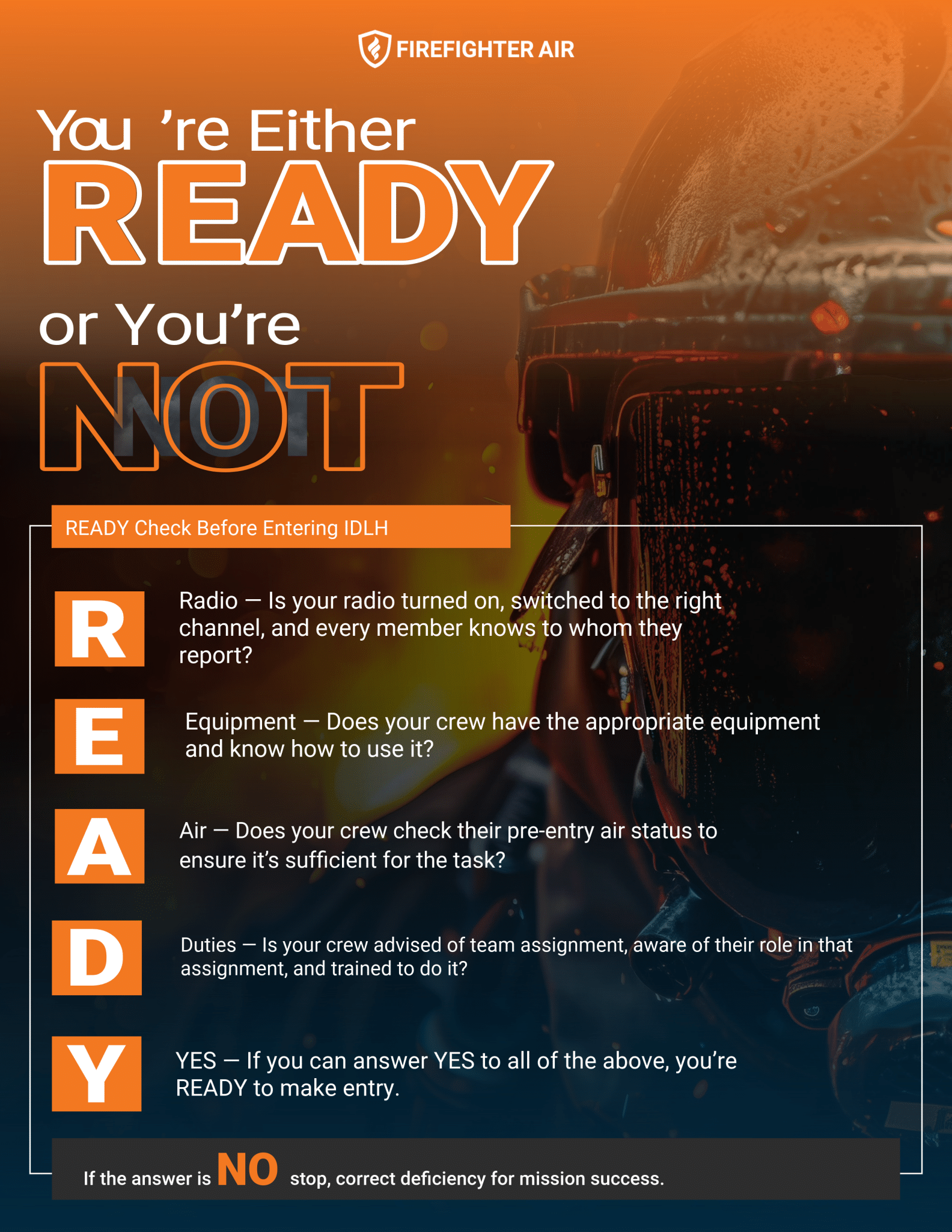
Firefighters face increasing cancer risks due to the toxic hazards of modern fire environments. Burning plastics, synthetics, and polymers release hazardous gases like hydrogen cyanide, a by-product of combustion. Combined with carbon monoxide, these “Toxic Twins” pose immediate and long-term threats to the heart, lungs, and brain. Protecting against these dangers requires understanding the risks and adopting critical safety measures. Using SCBA (Self-Contained Breathing Apparatus) is essential for minimizing exposure to toxic fire smoke.
Remember, just because you can’t see smoke doesn’t mean the air is safe to breathe.
Learn more about the Toxic Twins.

SCBA is the Safety Device to Prevent Breathing Fire Smoke
Overall, the article serves as a vital resource for firefighters, combining scientific explanations of fire dynamics with practical advice on health and safety. It underscores the urgent need for awareness, education, and proactive measures to address the health risks posed by today’s toxic fire environment.
Read the Full Article: Synthetics in the Modern Fire Environment: The Importance of Using Your SCBA, by Frank Leeb