
ROAM is The Need, The Mandate, The Solution
ROAM (Rule of Air Management) is the life-saving discipline for firefighters.

What is ROAM?
The ROAM (Rule of Air Management) requires discipline:
- Know how much you’ve got
- Manage it as you go
- Leave before your bell hits
Why? Today’s smoke environment is a toxic, deadly, concoction of gases, particulate matter with toxicants and poisons that cannot even be identified. One breath of this super-heated smoke can absolutely incapacitate any firefighter.
Understanding that your SCBA is the only tool you have to prevent exposure to fire smoke, brings to light the critical need to understand your breathing, how you consume air, how much air you consume in various circumstances, i.e., search and rescue, interior fire attack, overhaul and salvage, is critical to knowing how long the air on your back will last.
NFPA 1404 summarized for air management:
- The AHJ shall maintain a respiratory protection program
- The AHJ shall conduct ongoing respiratory protection training
- The AHJ shall establish and enforce written SOPs for training
- Respiratory training shall be conducted according to written SOPs
- Individual “shall” exit from IDLH atmosphere before consumption of reserve air supply begins
Air Management Key Points
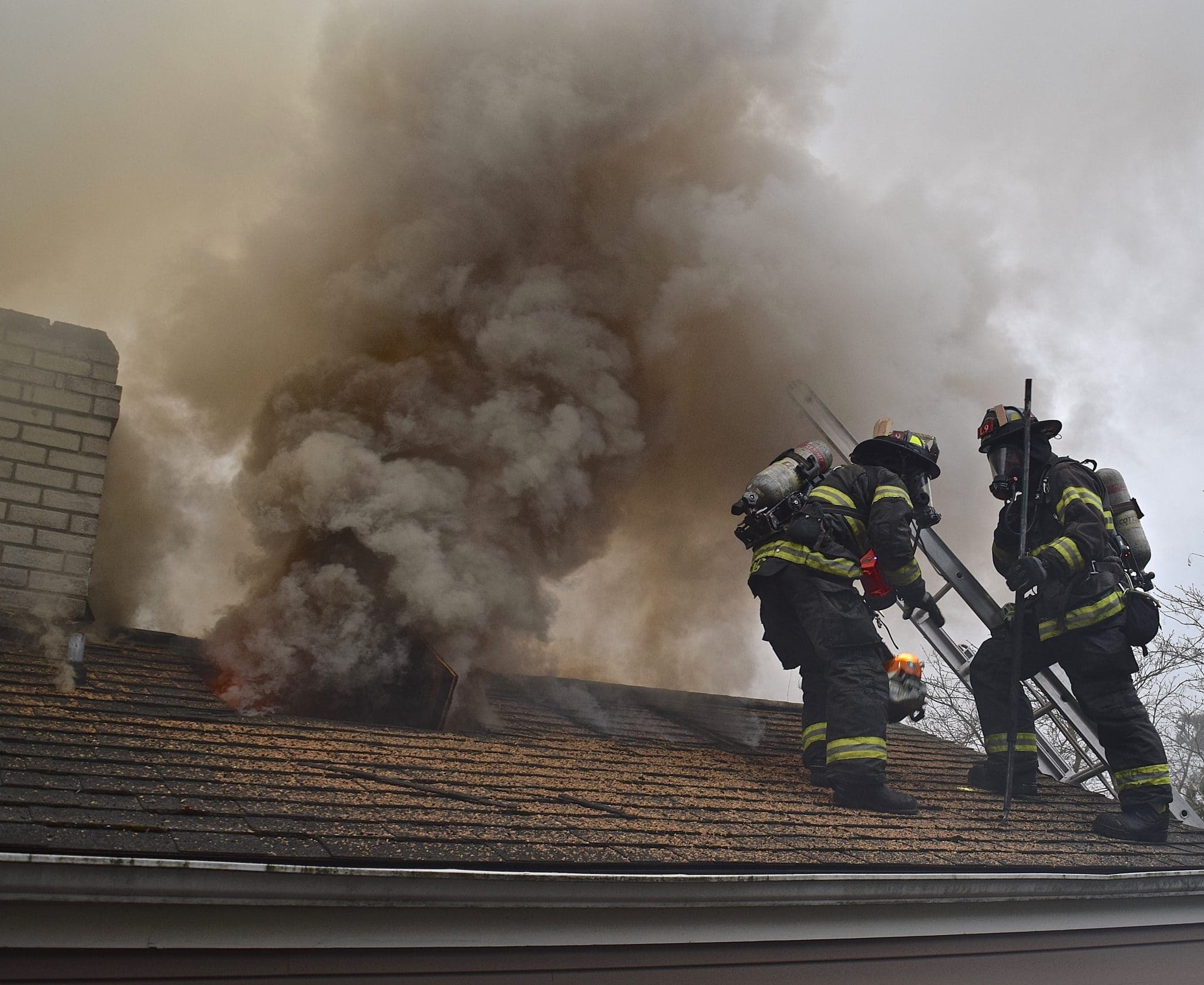
- Know that personal air consumption rates can and will vary significantly based on physical condition, physical and physiological stressors, workload, and environmental factors.
- Track air consumption in realistic training scenarios to develop an instinctual understanding of how long your air supply will last.
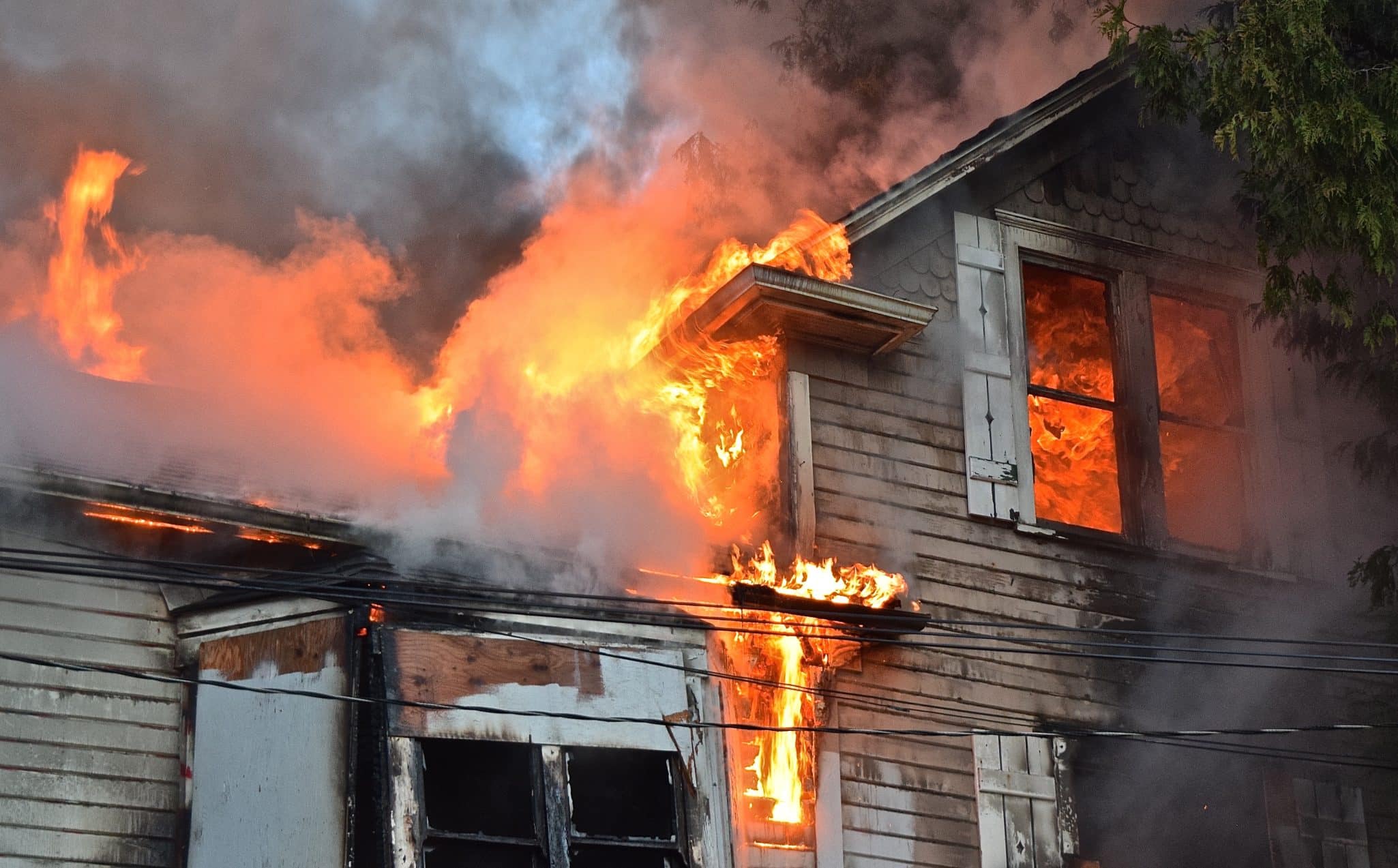
- Must have a clear plan to exit the IDLH with a sufficient air supply to prevent the bell from activating
- Clearly understand the MAYDAY SOP and when to activate PASS device
- Hands-on training should include navigating complex or unfamiliar environments, ensuring that all team members are aware of primary and secondary exit routes
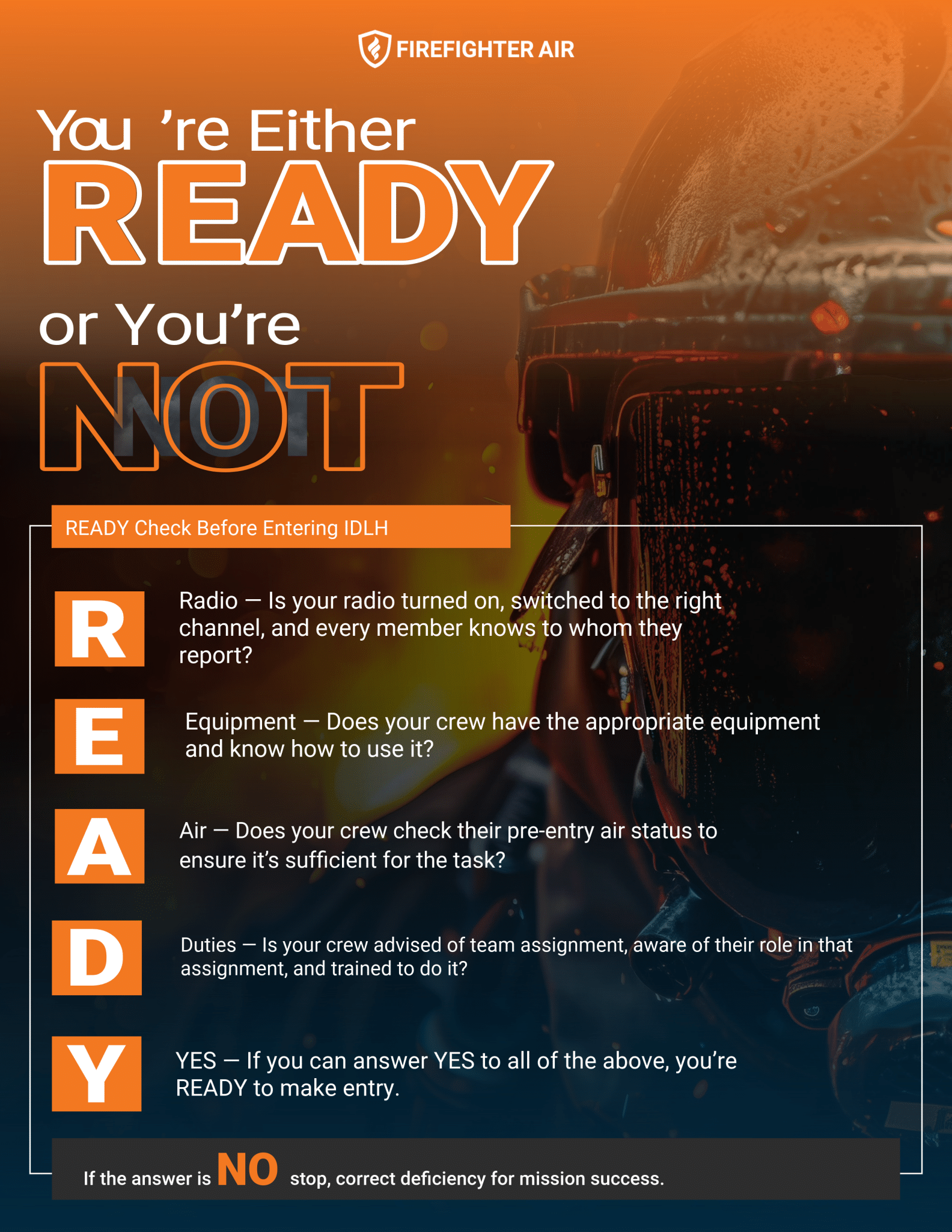
- Stresses the need for regular equipment checks to ensure functionality and reliability, which can prevent failures in life-or-death situations.
- Outlines a checklist for inspecting air supply equipment, including pressure tests and checking for leaks or damage.
- READY CHECK Poster (Download)

Training and Drills
Conduct realistic hands-on training #training
Master the SCBA:
- Understand the mechanics of the equipment (use local distributor to conduct crew training) i.e., care and maintenance, what can go wrong?
- Conduct realistic hands-on training (zero visibility with gloves)
- Use realistic props and scenarios
- Training should include critical decision making in real time
- Workload must tax air supply
- Train on time-to exit decisions
Record Communications for Training:
- Between team members
- Between team leaders and command
- Emergency messages

Integrate air management strategies into all firefighting drills #drills
- Ensure every drill includes a component on monitoring air supply and exit strategies, reinforcing the importance of maintaining situational awareness and readiness.
- Air gauge checks
- after periods of heavy workload
- at each change of rooms or area
- during progress reports
- at a change of levels
- at rest intervals
- before starting a new assignment
- Use technology, such as personal alert safety systems (PASS) and air supply telemetry, to aid in real-time monitoring during drills.
Special thanks to Deputy Chief Tony Carroll, Louisa County (VA Department of FIRE/EMS who created this content and graciously allowed sharing.

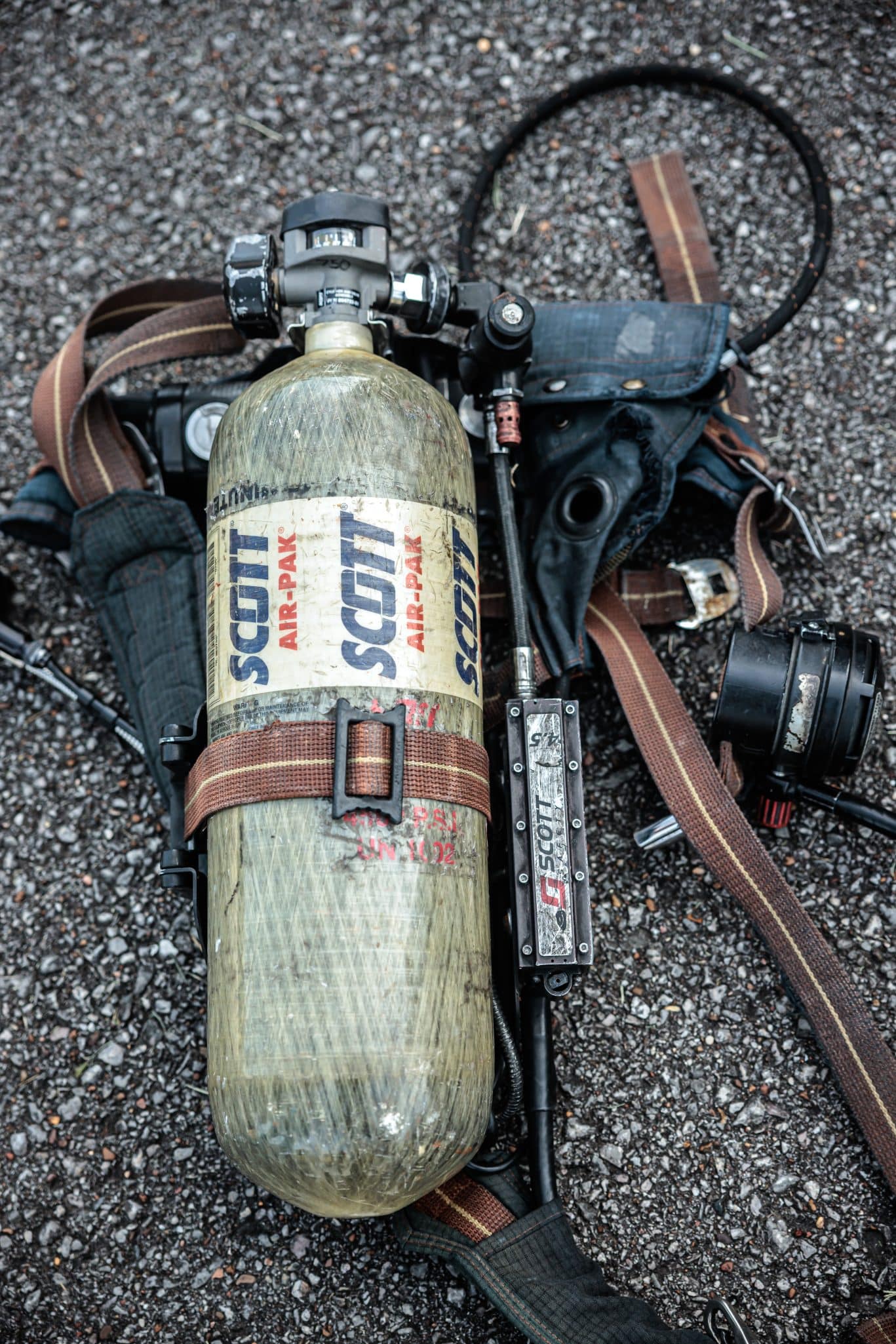
Equipment Maintenance
Perform routine checks on breathing apparatus #equipment
- Ensure all team members are familiar with the operation and maintenance of air supply equipment, including emergency procedures for equipment failure.
- Schedule departmental maintenance sessions to inspect and service breathing apparatus, ensuring that all components meet safety standards and manufacturer specifications.
- Develop a logbook system to track maintenance history and identify patterns or recurring issues that need addressing.
MAYDAY and Emergency Procedures
Implement SOP for air emergencies #procedure
- Train for rapid decision-making under low air supply situations, ensuring that all team members understand their roles and responsibilities in such scenarios.
- Establish communication protocols for air management issues, ensuring that any problems with air supply are immediately reported and addressed to prevent escalation.
- Develop contingency plans for scenarios where air supply is compromised, including buddy systems and rapid evacuation protocols.

Resources
- National Fire Protection Association (NFPA) guidelines on firefighter air safety, providing a framework for best practices and compliance.
- Air Management: The Need, the Mandate, the Solution, by Capt. Mike Gagliano, BC Phile Jose, Capt. Casey Phillips and Lt. Steve Bernocco
- Ready Check Poster
- CARA Poster
- Your Air. Your Life Poster

ROAM - Don't Let Your Air Manage You
Firefighters must fundamentally understand and efficiently use the air on their backs to ensure their safety and effectiveness in the IDLH environment. A failure to manage air supply can lead to catastrophic outcomes. Comprehensive training, consistent practice, and equipment reliability are non-negotiable components of a firefighter’s skill set.
Prioritize air management as a core element of firefighter safety protocols, ensuring that every firefighter is equipped with the knowledge and tools to manage their air supply effectively. This proactive approach will not only enhance individual safety but also improve overall team efficiency and mission success.
Manage Your Air Poster (Download)

