
High-Rise Stairwell Operations


High-Rise Stairwell Ops
Ascending Stairwells
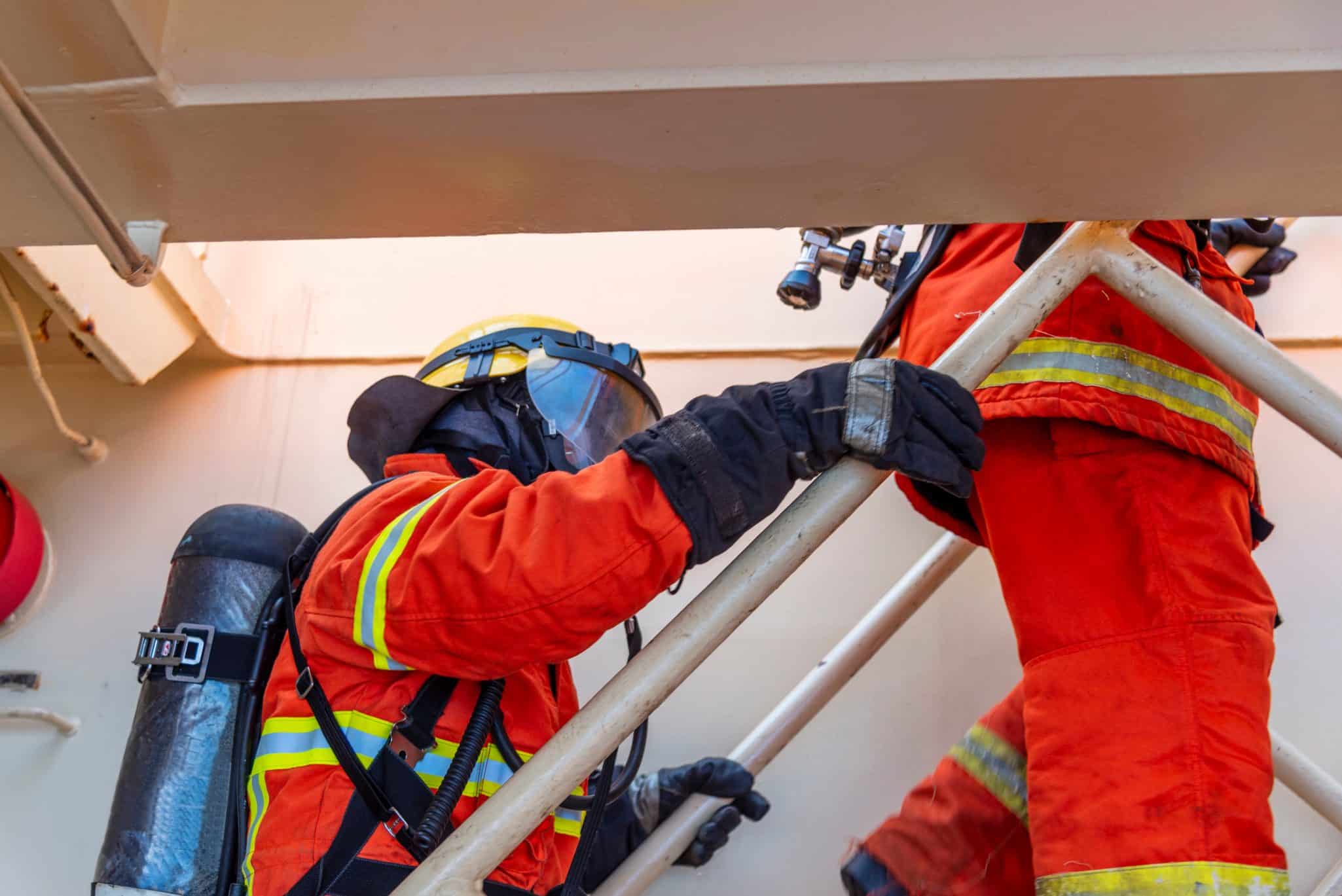
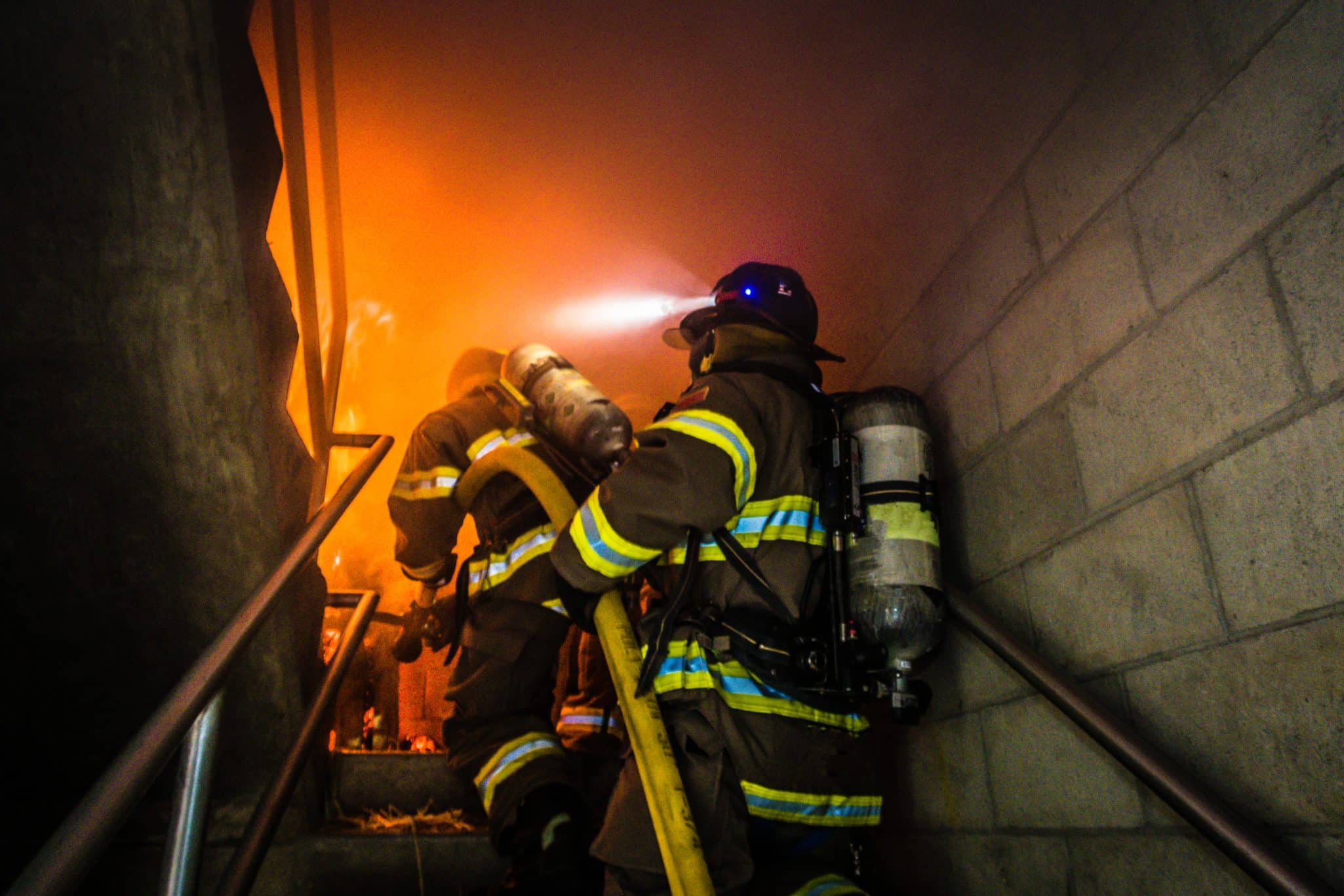
High-rise stairwell operations are a critical component of the vertical attack. More often than not, the elevators are out, causing firefighters to manually carry air cylinders, hoselines and other fire tools necessary for the fire attack. The amount of time required to ascend stairs, wearing 165 pounds of PPE and carrying hundreds of pounds of hoselines and other firefighting tools for the fire attack, make the entire operation vulnerable to time constraints, which time is a critical factor in those first few minutes. In these situations, firefighter safety becomes a significant issue due to the physical and physiological stressors of working against gravity.

High-Rise Stairwell Equipment Deployment
Bottle Loading Method
- Implement bottle loading technique for transporting bottles and hose bundles to ensure weight is distributed efficiently.
- Distribute the hose weight directly on top of the SCBA harness to maintain balance and control.
- Keep hands free for gripping the stairwell handrail, enhancing stability and safety.
- To reduce strain and fatigue, position the weight close to the body, centered above the hips.
- Train all personnel in the proper execution of the bottle loading method to ensure consistency and effectiveness in deployment.
Bunker Coat Disrobing in High-Rise Stairwell Operations
Introduce bunker coat disrobing protocol in smoke-free, nontoxic stairwells for climbs exceeding 10 stories.
- Reduces internal heat buildup, helping maintain core temperature within safe limits.
- Facilitates heat dissipation from the upper torso, reducing the risk of heat-related illnesses.
High-Rise Stairwell Operations Training
Hands-On Training is Imperative
-
- Prior to ascent, remove turnout coat and SCBA.
- Don SCBA first, then place turnout coat atop air cylinder.
- Secure hose bundle over the turnout coat using the bottle-loaded approach.
- Redress immediately upon reaching the designated floor or when conditions necessitate.
Conduct regular drills to ensure firefighters are proficient in disrobing and redressing quickly and efficiently.
Understanding Stair Climbing Dynamics
Physical Fitness and Training
(#fitness)
- Develop and maintain a rigorous physical fitness program tailored to the demands of high-rise firefighting.
- Focus on cardiovascular endurance, strength training, and flexibility.
- Incorporate stair climbing and weight-carrying exercises into routine training sessions.
- Schedule regular fitness assessments to ensure all personnel meet the required physical standards.
Equipment and Deployment Models
(#planning)
- Evaluate current equipment deployment models to identify areas for improvement.
- Research and invest in lighter, more efficient equipment options specifically designed for high-rise firefighting scenarios.
- Develop SOPs for equipment deployment that prioritize speed and efficiency without compromising safety.
Contingency Planning
(#contingency)
- Develop comprehensive high-rise contingency plans that address potential scenarios involving stair-only movement.
- Include protocols for managing fatigue and medical emergencies.
- Plan for scenarios where elevators are non-operational or unsafe.
- Train all personnel in treating and removing down firefighters from stairwells.
- Practice techniques for moving incapacitated firefighters safely and quickly.
- Include emergency medical response training as part of regular drills.
Conclusion
- A thorough understanding of the dynamics involved in high-rise firefighting is essential to improving safety and operational effectiveness.
- Implementing strategic planning, training, and equipment management, can enhance firefighter response times and preparedness for high-rise fire events.
- Continuous evaluation and adaptation of strategies will ensure that firefighting teams are equipped to handle the unique challenges posed by high-rise structures.
Read the Full Article: “High-Rise Firefighting Challenges and Strategies,” by Jimmy Davis, Fire Engineering FDIC Supplement 2025, authored by the Firefighter Air Coalition.
