Firefighter Air Supply
Why is managing your AIR such a big deal?
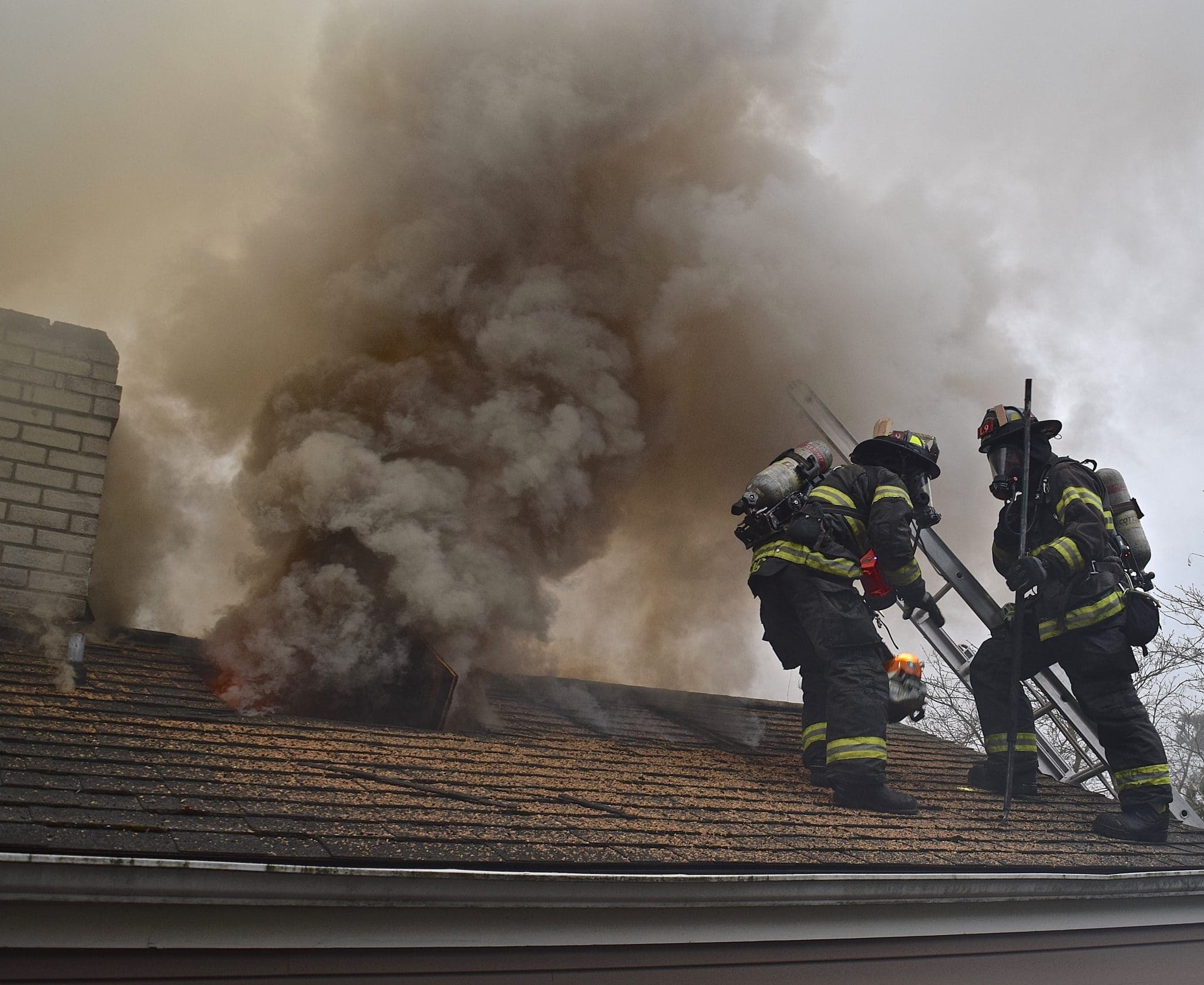
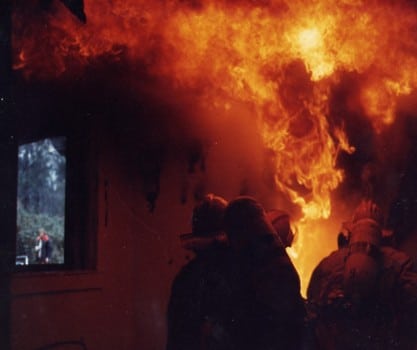
Interior attacks require Air & Water. Without Air, there is no interior attack.
AIR
WATER

NFPA 1404 (2018)
Firefighter Air Standards
- Fire departments must prioritize the establishment and enforcement of air management policies to address the urgent need for firefighter safety in hazardous environments. The following points underscore the critical importance of such policies:
- Exiting the IDLH Before Reserve Air Runs Out: Firefighters must exit the Immediately Dangerous to Life or Health (IDLH) atmosphere before consuming their reserve air supply. This ensures they have enough air to safely exit without risking asphyxiation or incapacitation in a life-threatening environment.
- Recognizing the Low Air Alarm: The activation of the low air alarm signals that a firefighter is now relying on their reserve air supply. This is a critical warning that immediate action is required to prevent dangerous depletion of air while in a hazardous area.
- Immediate Action Upon Alarm Activation: Departments must have clear Standard Operating Procedures (SOPs) or Standard Operating Guidelines (SOGs) that mandate immediate action when the reserve air alarm sounds. This ensures a swift and coordinated response to protect firefighters from the dangers of running out of air.
- Mandatory Air Management Program: A comprehensive air management program is not optional—it is a requirement for fire departments. Such programs provide the framework for training, policy enforcement, and operational readiness, ensuring that all personnel are equipped to manage their air supply effectively in high-risk situations.
- Establishing and enforcing air management policies is not just a best practice—it is a life-saving necessity that ensures firefighters can operate safely and effectively in the most dangerous conditions.
ROAM
Rule of Air Management
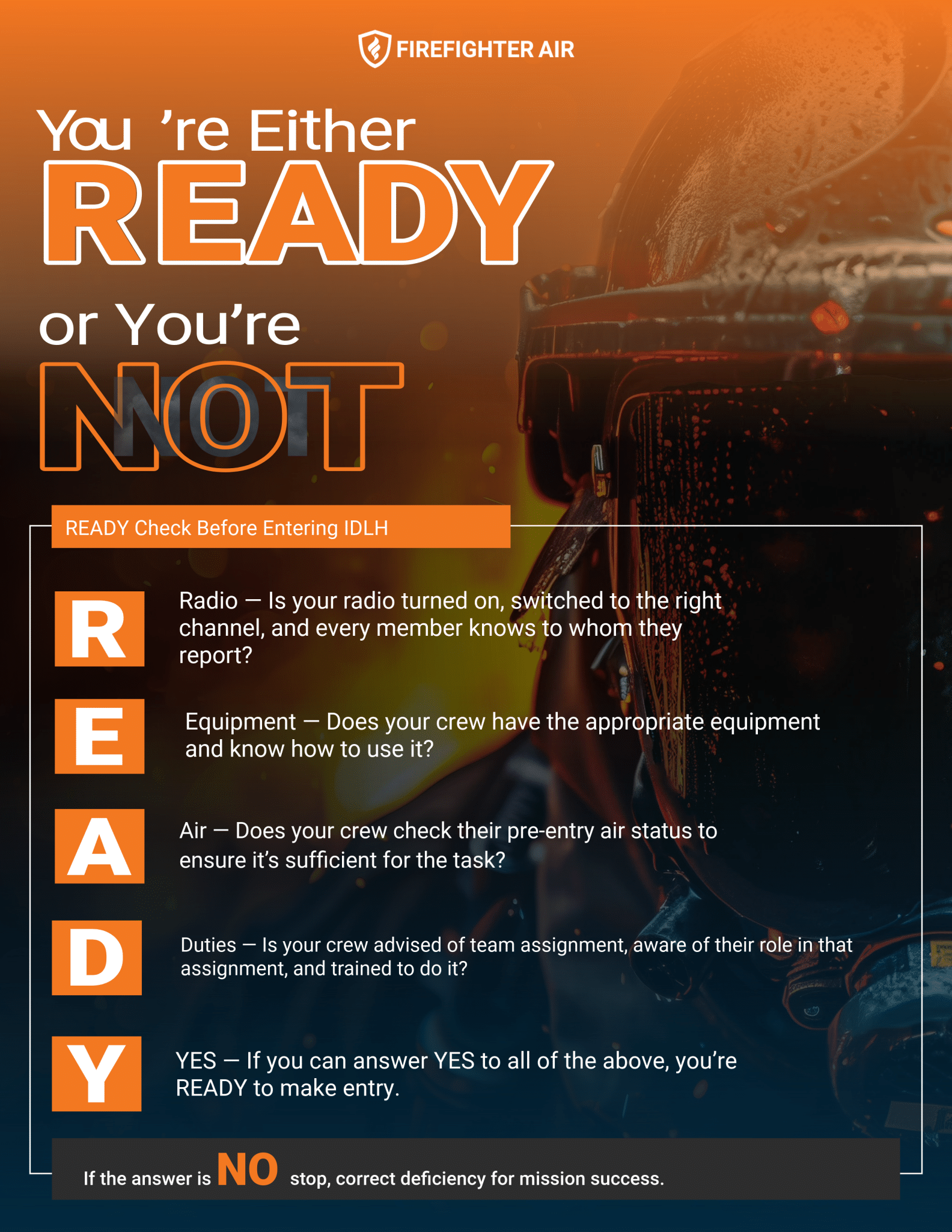
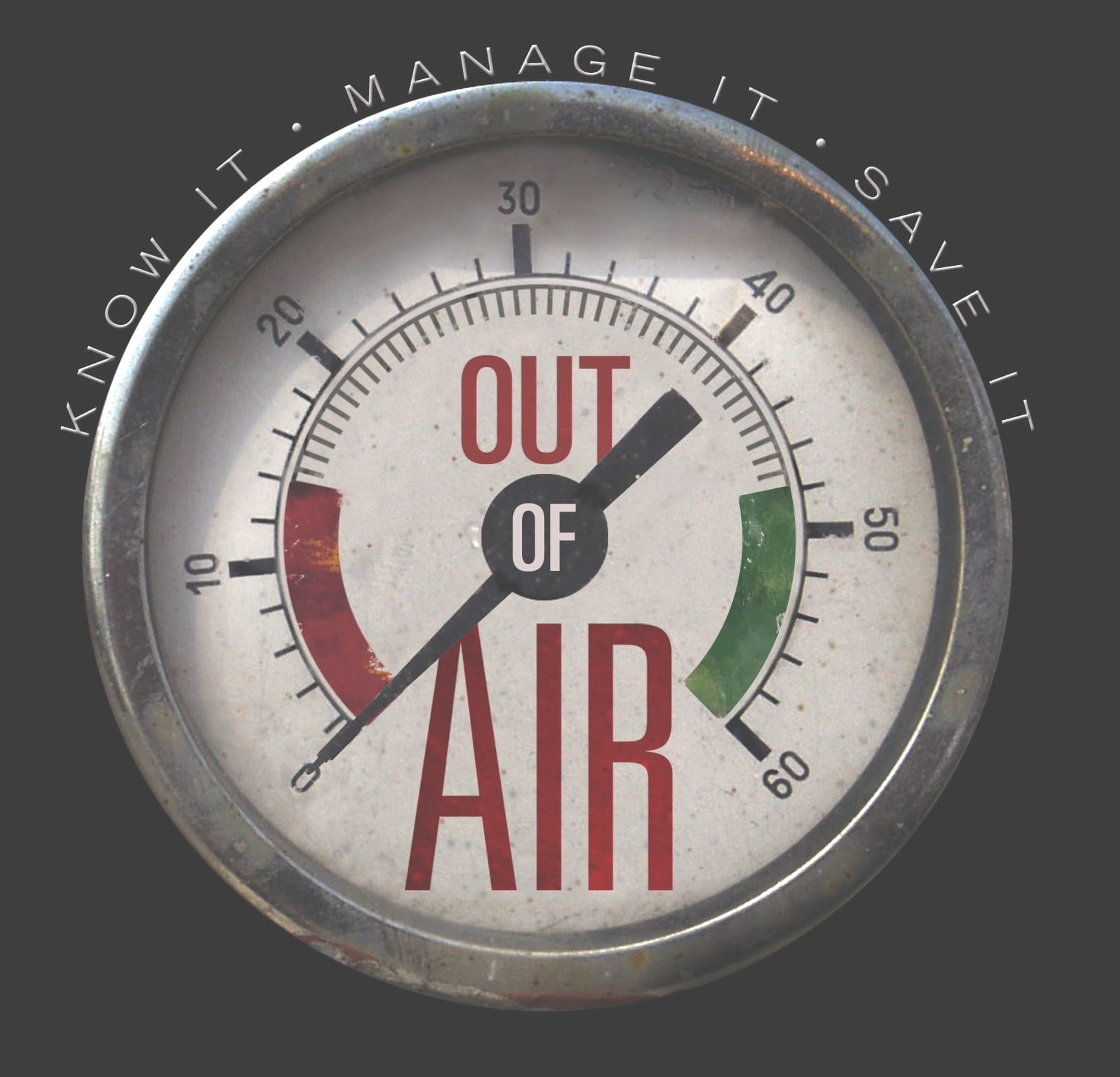
Know how much you’ve got.
Manage it.
Leave before your bell hits.

Bret Tarver Case Study
Southwest Supermarket Fire, Phoenix, A
- The Southwest Supermarket was constructed in 1956, and was 20,123 square feet
- Steel columns and beams with open-web steel trusses
- Panelized plywood roof
- The fire started as a debris fire outside the building
- Occupied structure – a righteous entry
- Disoriented
- Lost
- Out of Air
- Removes face-piece
- 2 other firefighters run out of air
- 12 other “Maydays”
- Tarver dies from CO poisoning
- As a result, Phoenix FD adopted an air management policy
WITHOUT AIR - WHAT ARE YOU BREATHING?
Toxicants → Toxic Gases
Acetals
Acrylics
Polyesters
Polyurethanes
Polyvinyl Chloride (PVC)
Polynuclear Aromatic Hydrocarbons
Formaldehyde
Hydrochloric, Sulfide and Nitric Acids
Phosgene
Benzene
The Toxic Twins
Hydrogen Cyanide
Air Management Philosophy
IT’S SIMPLE
- Don’t Breathe Smoke
- Your Air is Your Responsibility
- Demand an Alarm-Free Fireground